Pelvic Health Physical Therapy
Pelvic health physical therapy can help people better understand and address symptoms related to the pelvic floor, core, hips, spine, bladder, bowel, sexual function, pregnancy, postpartum recovery, post-operative healing, and pain with movement. Your pelvic floor does not work in isolation. It coordinates with your breathing, posture, core, hips, nervous system, pressure management, strength, mobility, and the way you move through daily life.
Pelvic symptoms can feel frustrating, vulnerable, or confusing, but they are also common and treatable. No matter your goal, treatment is collaborative, individualized, and built around your real life.
Common Symptoms and Diagnoses Treated
Pelvic health PT may be helpful for people experiencing:
- Urinary leakage with coughing, sneezing, laughing, jumping, lifting, or running.
- Urinary urgency, frequency, or difficulty fully emptying the bladder
- Pelvic pain, vaginal pain, vulvar pain, rectal pain, tailbone pain, or deep hip/pelvic discomfort
- Pain with intercourse, tampon use, pelvic exams, or other forms of penetration
- Constipation, bowel urgency, fecal leakage, or difficulty coordinating bowel movements
- Pregnancy-related pain, pelvic girdle pain, low back pain, hip pain, or pressure symptoms
- Chronic hip or low back pain
- Postpartum recovery concerns, including core weakness, leaking, heaviness, scar mobility, pain, or return to exercise
- Diastasis recti, abdominal weakness, or difficulty managing pressure through the core and pelvic floor
- Pelvic organ prolapse symptoms, such as heaviness, pressure, or a bulging sensation
- Endometriosis-related pelvic pain support
- Post-operative recovery after abdominal, pelvic, hip, spine, or orthopedic surgeries
- Pain or difficulty returning to running, lifting, yoga, sports, dance, hiking, work tasks, or other meaningful activities
Nutrition, Bladder, Bowel, and Pelvic Floor Health
What we eat and drink can influence bladder, bowel, and pelvic floor symptoms. Hydration habits, fiber intake, meal timing, constipation, bladder irritants, and overall fueling can all play a role in how the pelvic floor functions and how symptoms show up day to day.
Nutrition-related conversations are focused on education, habits, and general strategies that support bladder, bowel, and pelvic floor health. This may include discussing hydration, bowel regularity, constipation management, bladder habits, foods or drinks that may contribute to urgency or irritation for some people, and how fueling your body supports healing, strength, and return to activity.
Because nutrition is personal and sometimes complex, it may also be beneficial to collaborate with a registered dietitian, physician, or other healthcare provider when more specific nutrition guidance is needed. The goal is never to hand you a restrictive list of “good” or “bad” foods. Instead, it is to help you better understand your body, identify patterns, and build supportive habits that fit your life.
Ready to take the next step? Schedule a pelvic health physical therapy evaluation to better understand what is contributing to your symptoms and create a plan that supports your goals.

What Treatment May Include
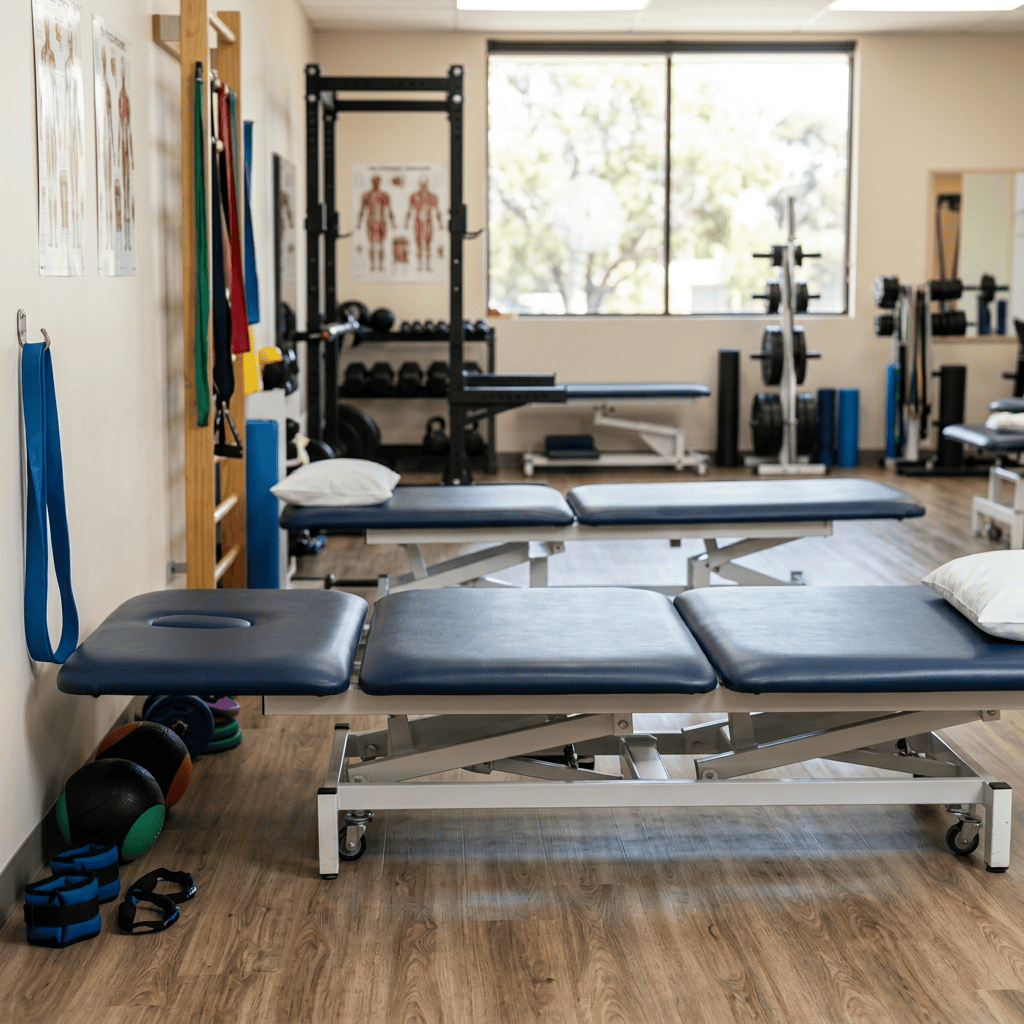
Pelvic health treatment at Flowing Function starts with listening to your story, your symptoms, and your goals. Your evaluation may include assessment of breathing, posture, spine and hip mobility, strength, balance, coordination, movement patterns, pressure management, and pelvic floor function. When appropriate and with your full consent, pelvic floor muscle assessment may also be discussed as part of care.
Treatment may include:
- Education about your symptoms and how the pelvic floor, core, hips, and nervous system work together
- Pelvic floor muscle coordination, relaxation, strengthening, or down-training depending on what your body needs
- Breathing and pressure management strategies
- Core, hip, glute, and whole-body strengthening
- Mobility work for the spine, hips, pelvis, and surrounding tissues
- Manual therapy when appropriate
- Scar tissue mobility after birth, abdominal surgery, pelvic surgery, or other procedures
- Bladder and bowel habit education
- Support with constipation, toileting mechanics, urgency strategies, and bladder retraining when appropriate
- Return-to-running, return-to-lifting, sport-specific, or hobby-specific movement analysis
- A personalized home program that fits your life, not a one-size-fits-all checklist
The goal is not just to treat symptoms, but to help uncover the “why” behind them so you can move forward with more confidence, better tools, and a clearer understanding of your body.